
Founder Development Lab · from idea to evidence
A startup is not four pages of business plan and a pitch deck.
After all these years working with founders — and my own time inside a startup — I have come to one conclusion: you cannot pull a startup out of books and frameworks. Filling in a lean canvas is not the same as having a startup.
So I set up something small: eight weeks, five teams, free. Every week we sit down and work on your startup's real problem — no lectures, no certificate. At the end you either continue with evidence, or you learn from evidence that you should not. Both are progress.

- Over twenty years in Iran's IT industry
- Over seven years alongside Iranian startups
- Three years in Canada's startup ecosystem
- Mentored more than 50 startup teams
- Helped raise over $10M in micro-funding for startup teams
Mentoring is not
answering questions.
Someone answering all of your questions is no guarantee that you reach the right outcome. Answering questions is the job of a consultant or an expert. What I do in these eight weeks is something else:
- Spotting the wrong problembefore you spend six months on it
- Asking the right questionthe one you do not ask yourself
- Seeing the patternwhat you are seeing for the first time, I am seeing for the hundredth
- Designing the experimentthe cheapest way to find the truth
- Creating accountabilitynext week I will ask whether you did it
- Pressure on executionideas are cheap; execution is everything
I wrote all of this on my Telegram channel before this page existed. It is in Persian, and it is open to read.
Terms,
plainly.
The same thing I wrote on the channel; no more, no less.
- Capacity
- Five teams. No more, because I spend real time.
- Length
- Eight weeks.
- Group session
- 90 minutes each week — 20 minutes concept, 50 minutes hot seat, 20 minutes decisions and next steps.
- Private session
- 1:1 with each team every second week — weeks 2, 4, 6 and 8.
- Cost
- Free. No money and no equity changes hands during these eight weeks.
- After week eight
- If I see growth, I enter a 12-month engagement with three teams — that is where 2.5% equity is agreed.
- Demo Day
- There isn't one. There is a Decision Day — the day you decide, not the day you perform.
What we do, week by week
Every week at least one important uncertainty gets smaller — even when progress means discovering a mistake. Each team also writes a weekly Founder Journal: what I believed, what evidence challenged it, which decision changed, and what I avoided doing.
- 1
The Founder & The Thesis
Separating what we know, what we believe, and what we still do not know.
Output: Venture Thesis v0.1
- 2
Problem Deconstruction
Breaking the problem into trigger, frequency, severity and cost.
Output: Problem Map + 5 critical assumptions
- 3
Customer Discovery
Talking to real customers properly, instead of asking questions that invite a yes.
Output: Customer Hypothesis + Evidence Log
- 4
Market Reality
Seeing the market as it is — competitors, alternatives, and doing nothing.
Output: Market Map + Thesis v0.2
- 5
Solution & Value
The smallest solution that makes the core value testable.
Output: Solution Hypothesis + what we will not build
- 6
Business Model & Kill Risks
Who pays, why, how much — and the three risks that could kill all of it.
Output: Kill-Risk Map
- 7
The Critical Experiment
The cheapest valid experiment for the riskiest assumption.
Output: Experiment + Evidence
- 8
Founder Decision Board
What we believed, what we learned, what was wrong — and the decision for the next 90 days.
Output: Decision + 90-day plan
Some weeks deliberately put a real action in the middle: talking to a real person, cutting your favourite feature, or running an experiment that may show the core assumption was wrong. The goal is not artificial pressure — it is seeing how you behave in a real situation.
I do not only
look at the idea.
If I am going to stay beside a team for a year, the quality of the founder matters more than how attractive the idea is. Over these eight weeks I am looking for answers to these questions:
- How does this person think?
- How do they decide?
- What do they do when their own hypothesis turns out to be wrong?
- What do they do when the market does not answer?
- What do they do when they disagree with a co-founder?
- Do they execute?
- Do they make excuses?
- Do they manipulate the data?
- Do they understand the customer?
- Are they simply in love with their own product — with their eyes shut?
I wrote these on the channel at the time too — even if you never work with me, they are a good starting point on your own.
Come, if…
- You are at idea, validation or pre-MVP stage.
- You have a clear idea but the path is not clear.
- You are ready to put your assumptions under question — really.
- You work between the sessions, not only during them.
Do not come, if…
- You are after a certificate or a motivational session.
- You expect a mentor to bring you customers.
- You only want someone to approve your idea.
I actually do this work.
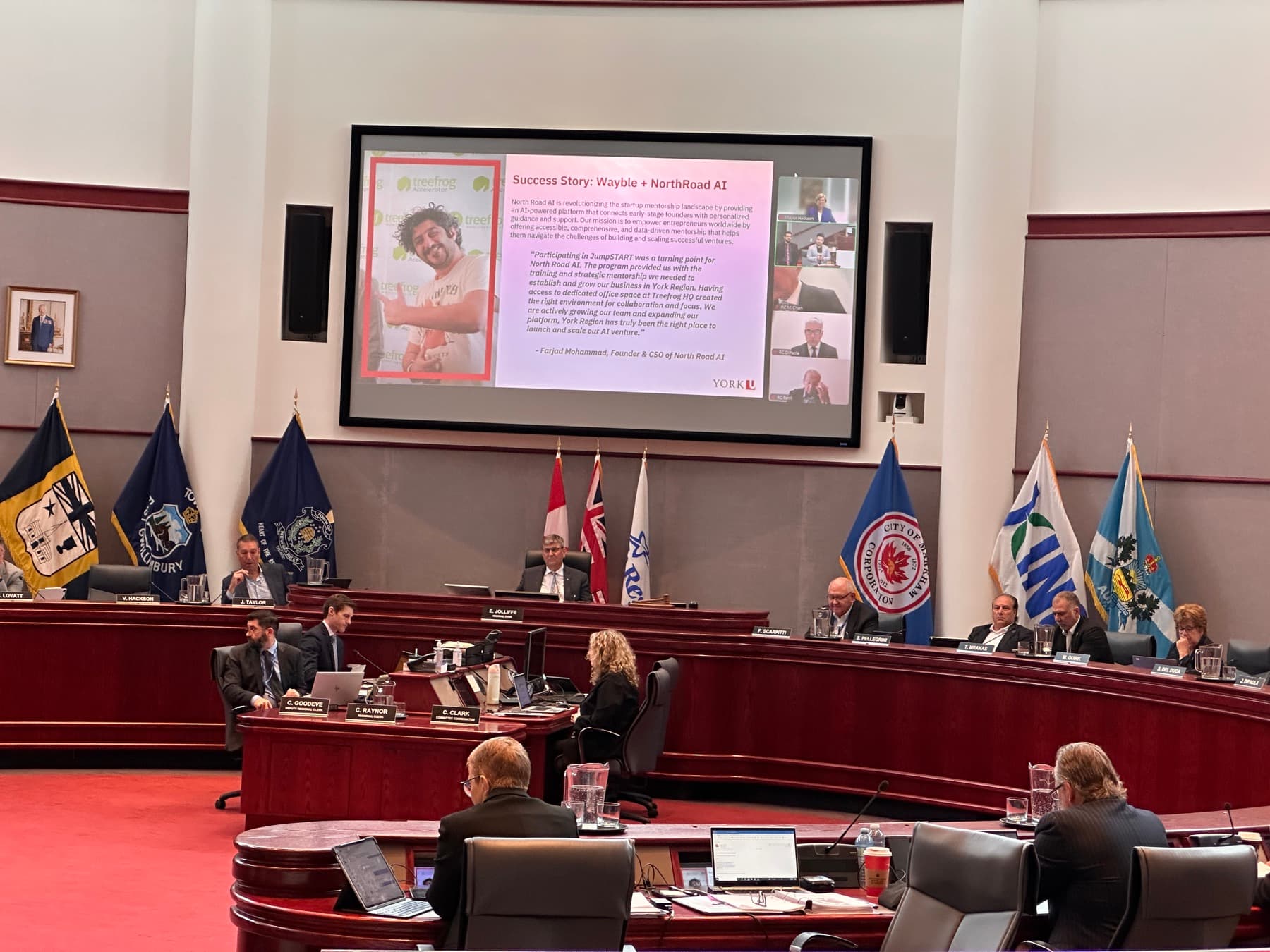
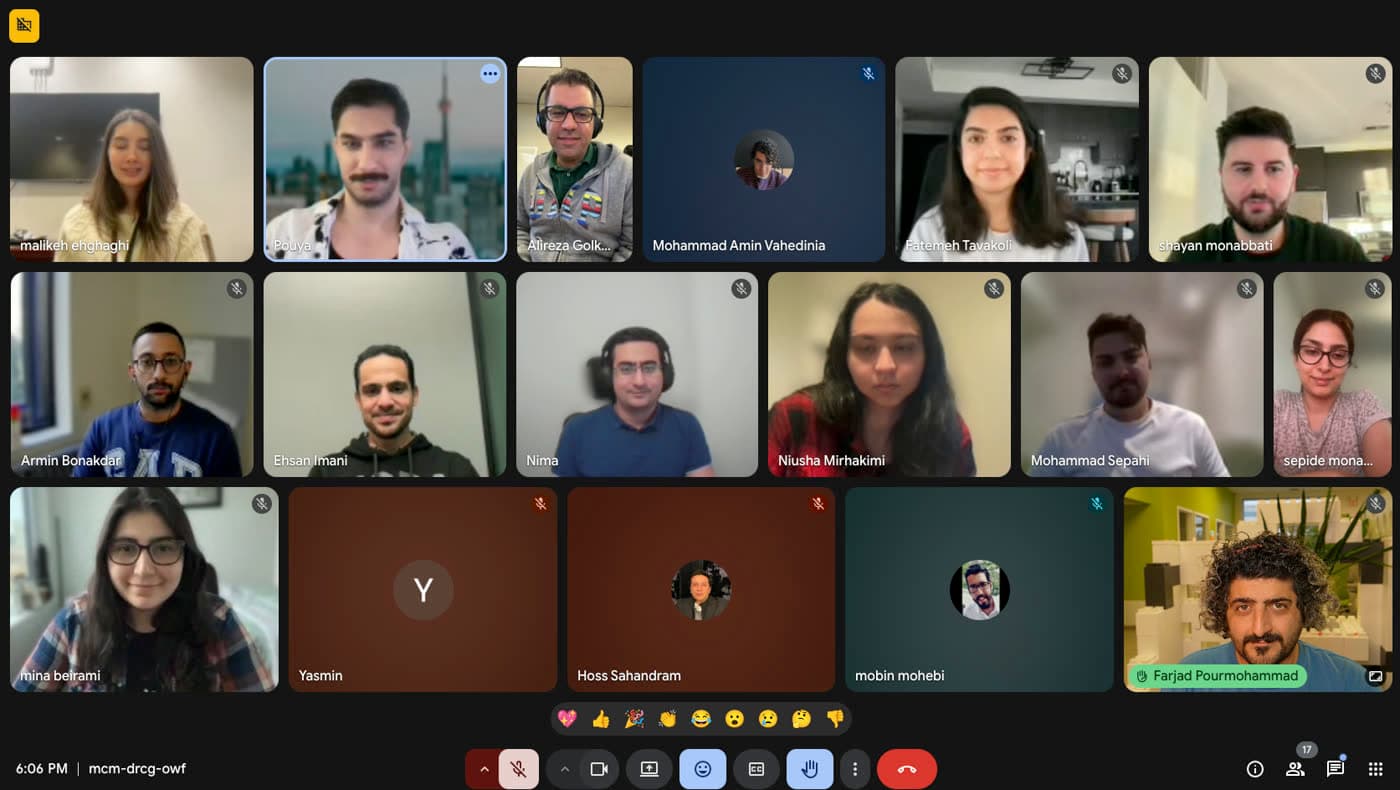
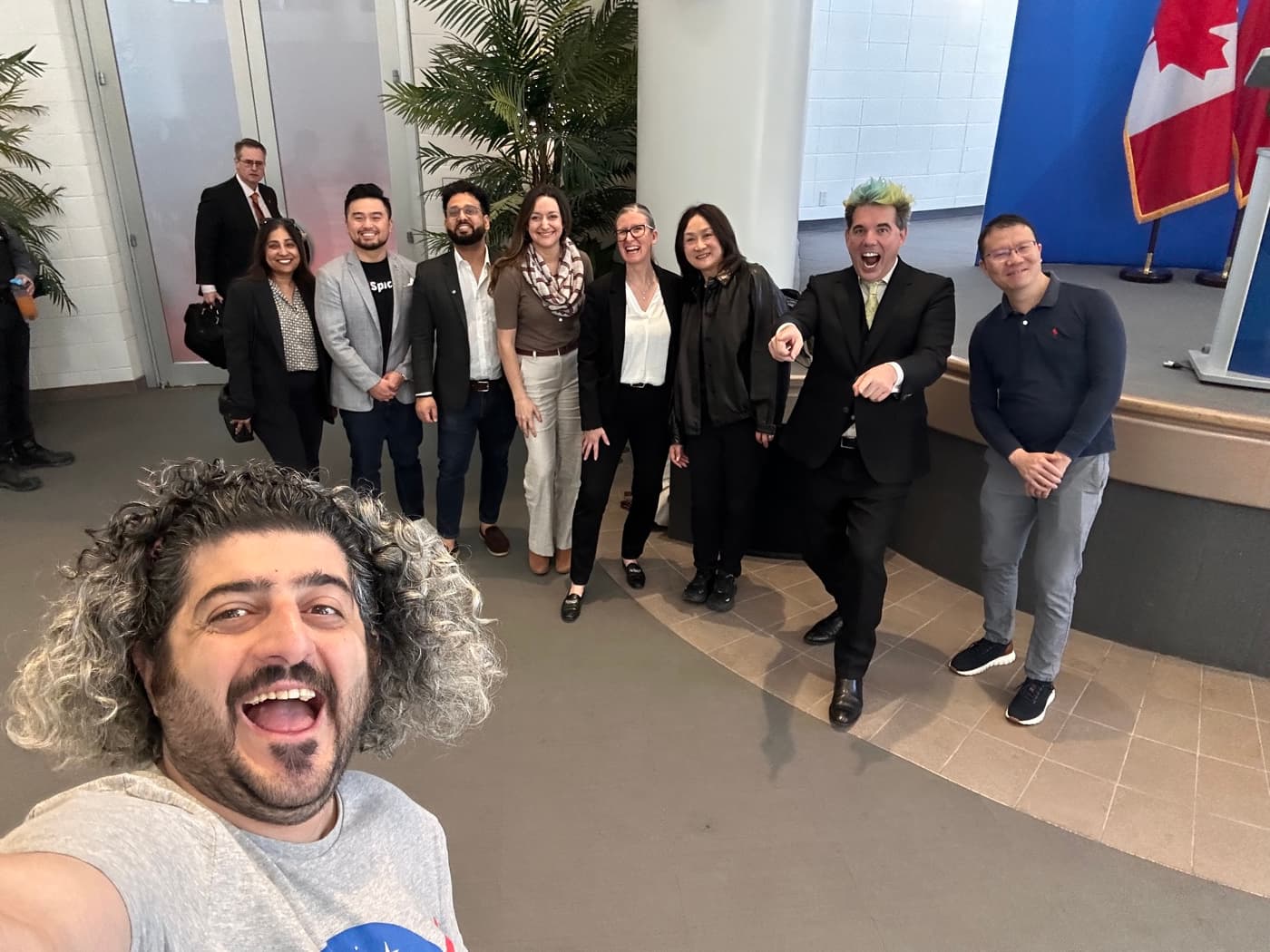
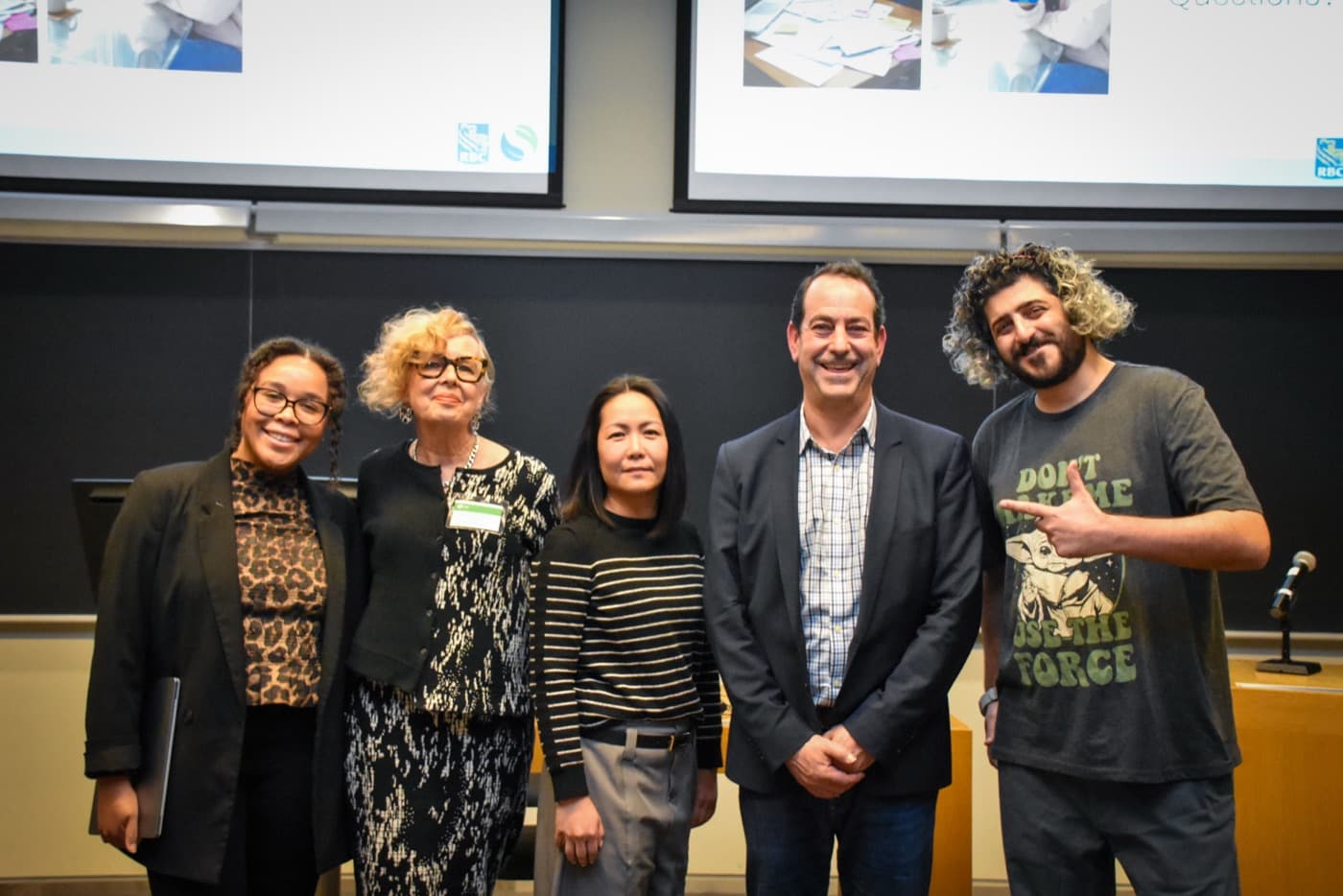
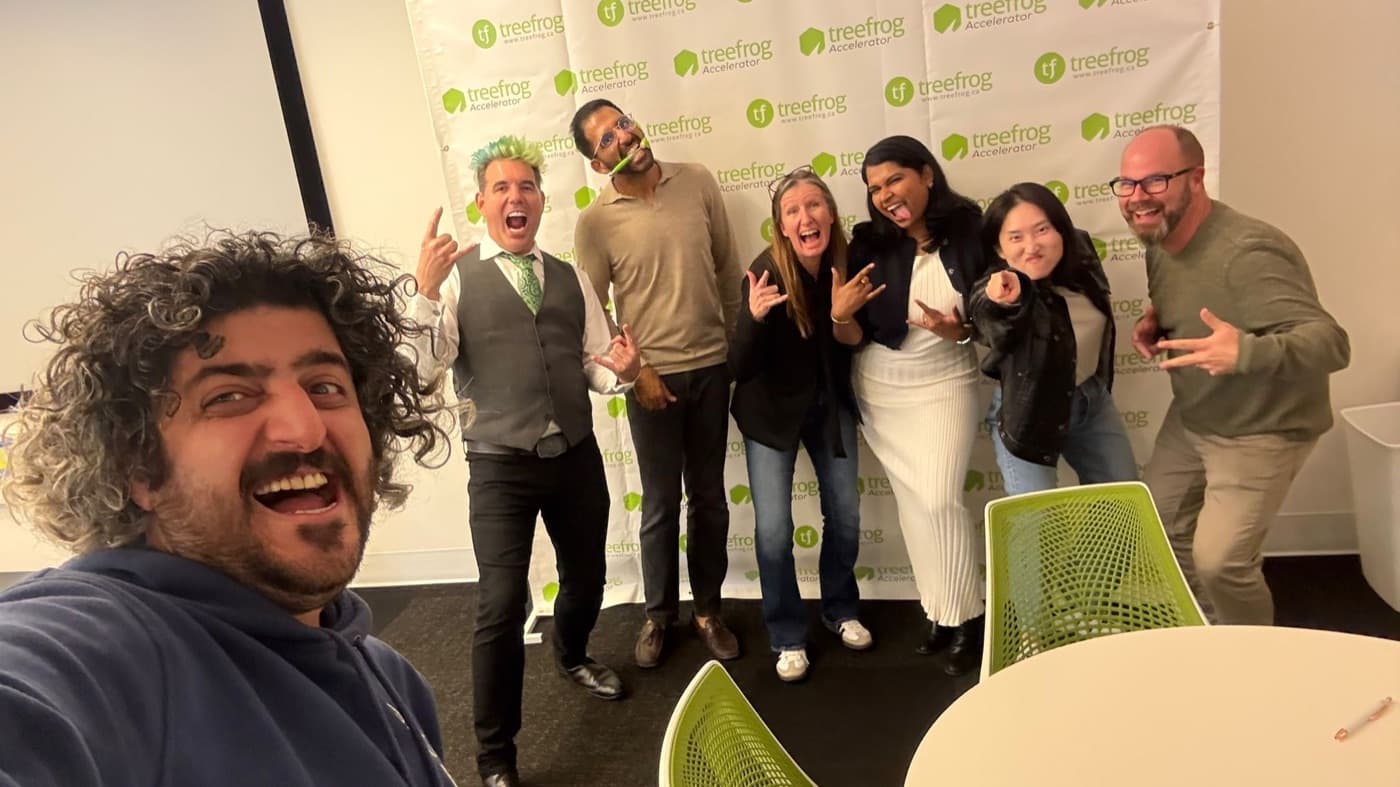
Not an online course recorded once. For several years I have done this beside teams — in the weekly session, in the York Region council chamber, and behind a microphone.
Cohort one — Astaneh — is closed
Five teams were accepted and the work has started. If you fill in the form below, you will be among my priorities for the next cohort — when it opens, you will hear from me first.
Apply for the next cohort
It takes five minutes, and an honest answer matters more than a complete one. When the next cohort opens these forms are reviewed first — this is not the final application.

Cohort ’26 · Toronto / Online · its@farjadp.info