
“Those 300,000 could not get past those 12,000.”
300,000 Against 12,000? The Siege of Vienna and the law of scarce resources
In the summer of 1683 the largest Ottoman army in decades stood before the walls of Vienna. Sixty days later it was beaten and gone. Why? The short answer: power is effective resources, not total resources. This page shows that step by step, and at several points asks you to make the call yourself.
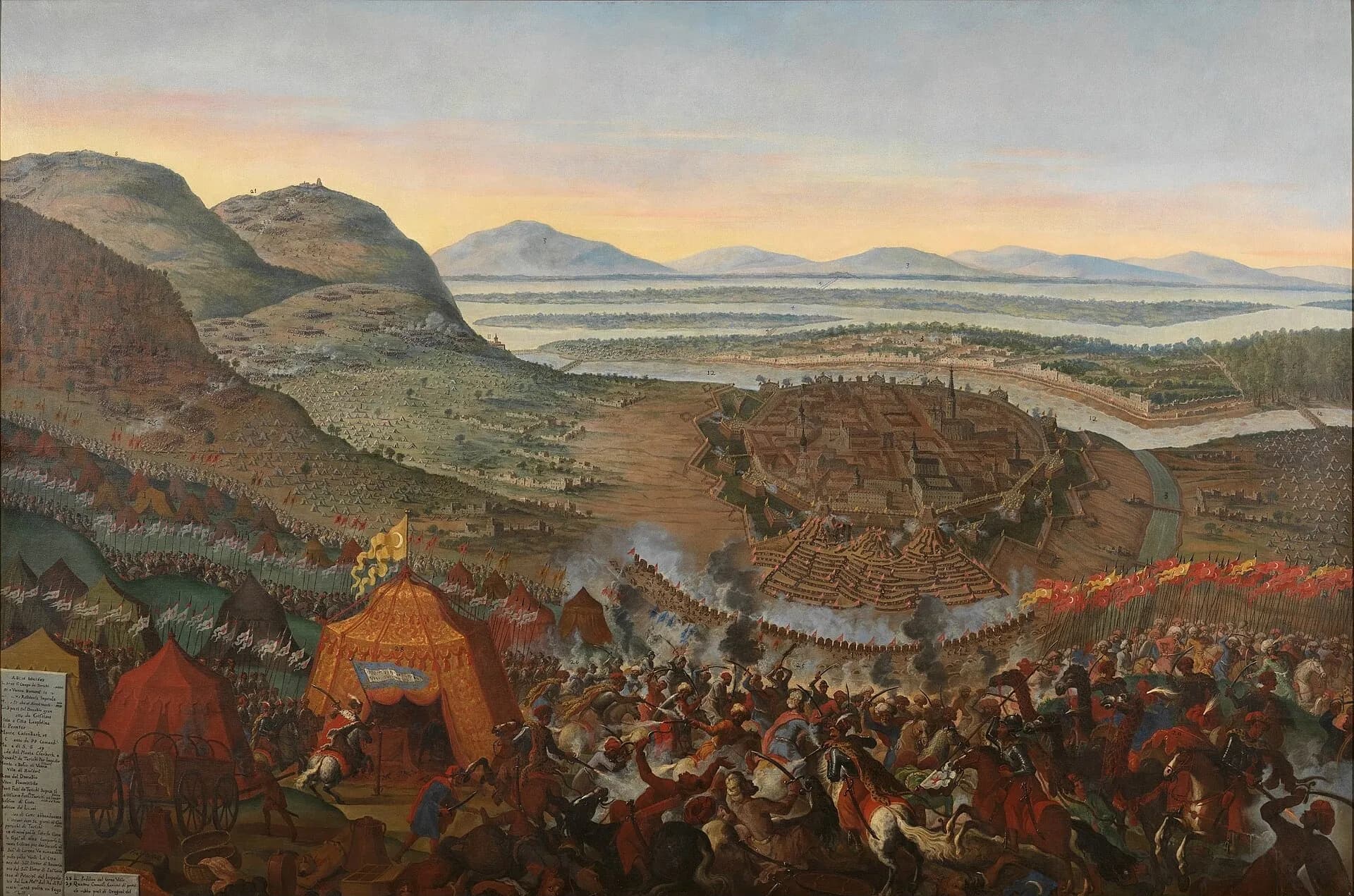
- days of siege, 14 July to 12 September
- 60
- defenders: 11,000 soldiers and 5,000 armed citizens
- 16,000
- men in the relief army that finished it
- 65–80k
Earn a medal in every interactive section. There are six on this page.
First, the numbers
300,000? No. And the 12,000 were not alone
For the analysis to hold, fix the numbers first. Flip the switch to see how the classroom version differs from what historians estimate today. Each figure is 5,000 men.
The figure of the period's pamphlets; it counts labourers, crews and camp followers.
One figure = 5,000 men
So what did the 12,000 do?
They did not defeat the Ottomans. Their job was to last sixty days. The relief army won the decisive battle at the Kahlenberg. The good news is that the correction makes the strategic lesson stronger, not weaker: the defender did not need to win, only to buy time.
Three commanders
Three men, three different goals
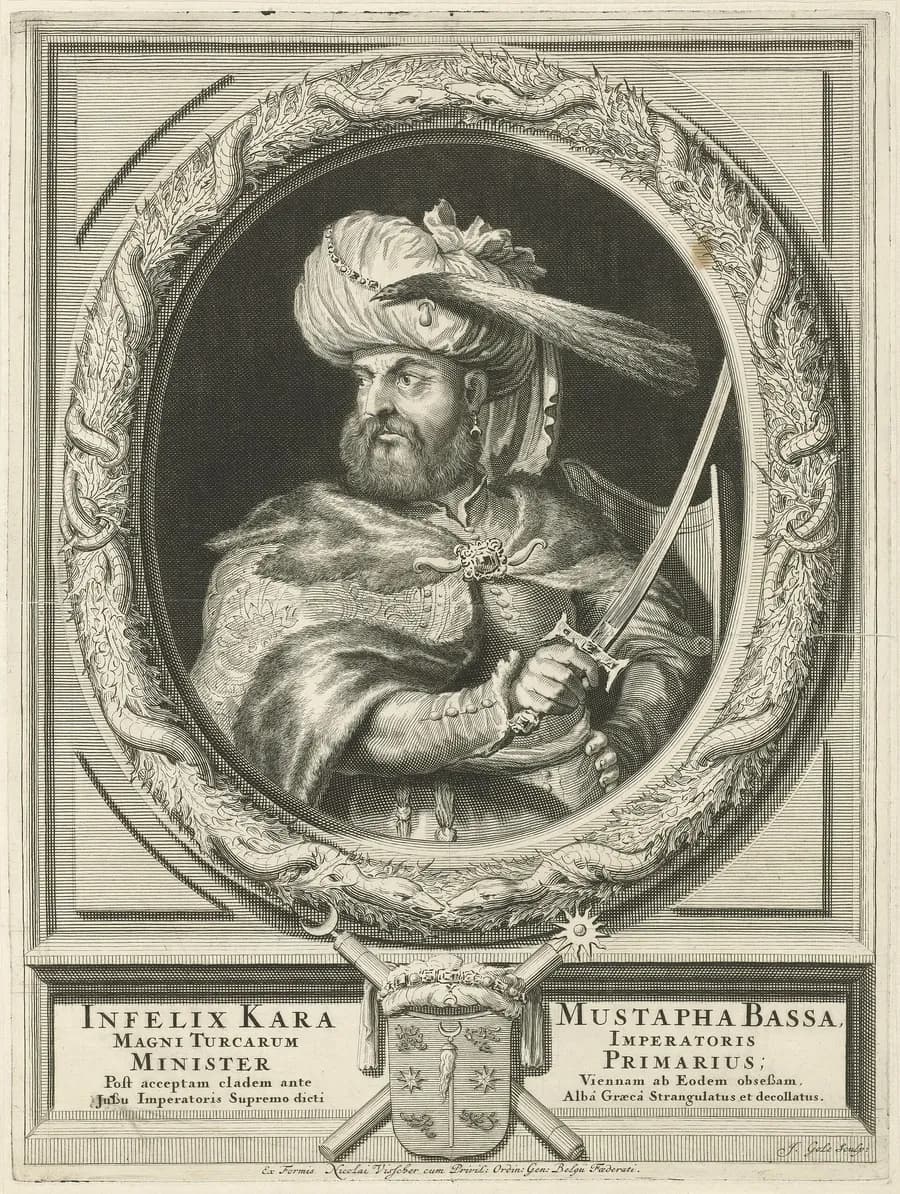
Kara Mustafa Pasha
Ottoman Grand Vizier, commanding the siege
Goal: take the city, intact and rich, before autumn.
100,000–150,000 men, mostly light guns
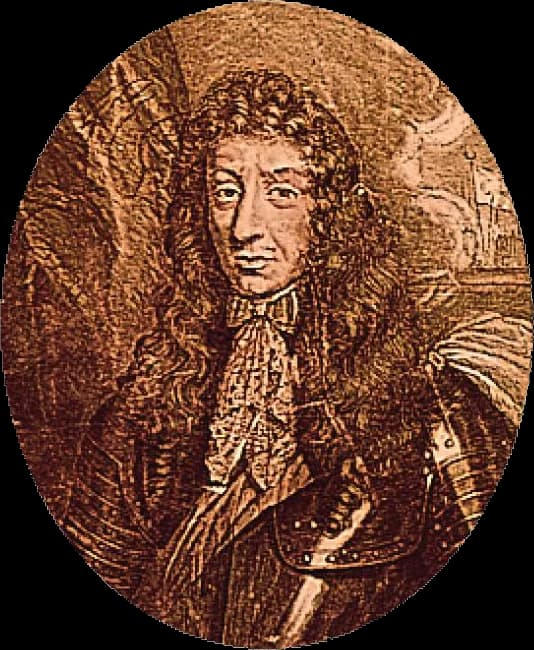
Ernst Rüdiger von Starhemberg
Commander of the Vienna garrison
Goal: just hold out until relief arrives.
11,000 soldiers, 5,000 citizens, 300+ guns
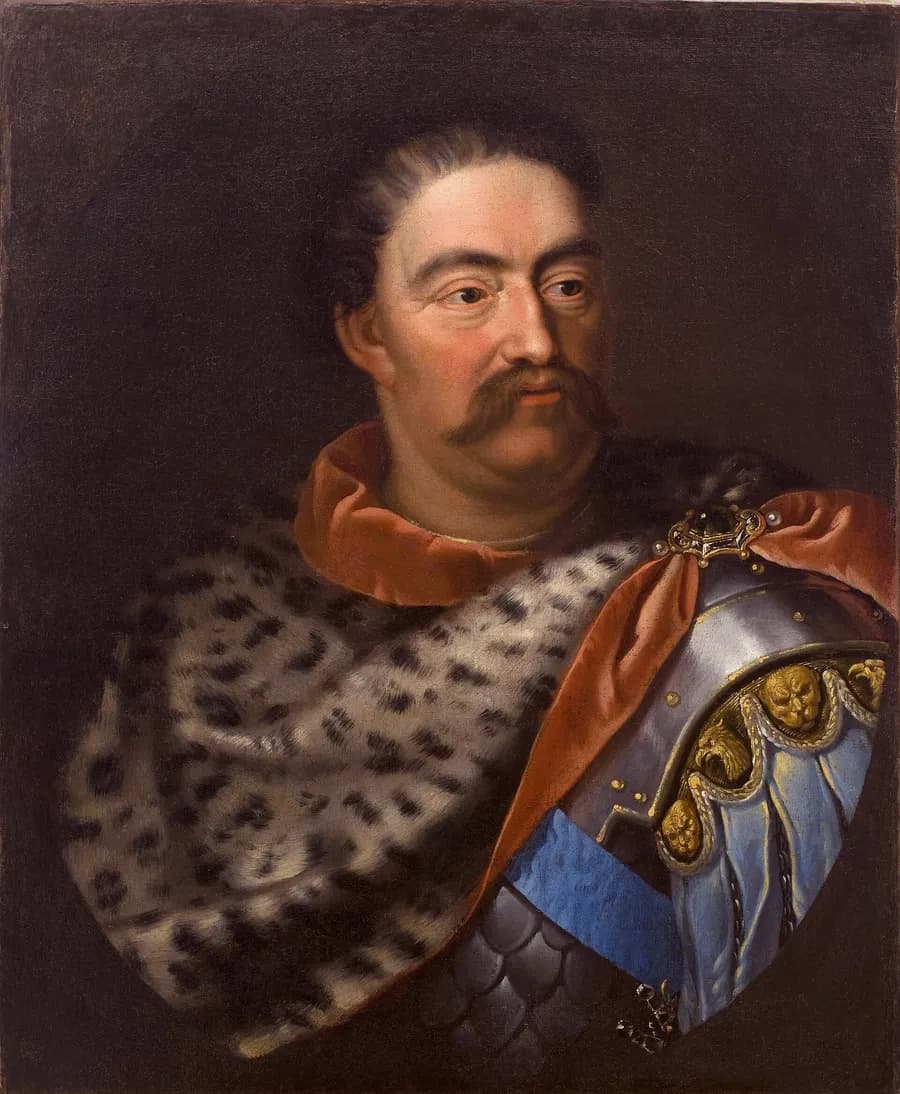
John III Sobieski
King of Poland, commanding the relief
Goal: come down from the heights and break the camp.
65,000–80,000 Polish and Imperial troops
Effective resources
A big army is also a big consumer
The principle of scarce resources says every resource is limited and every choice costs you another option. The common mistake is to think a bigger army means more resources. Kara Mustafa was short of exactly the resources that decided the outcome.
Time
The army arrived on 14 July. The campaigning season was short and the army had to be home before winter.
Heavy siege guns
Left behind to move faster. About 110–150 guns, almost all light.
Supplies
Feeding more than 100,000 people on enemy ground cost more every day.
The commander's attention
Split between the siege, raiding the countryside and the relief army's threat.
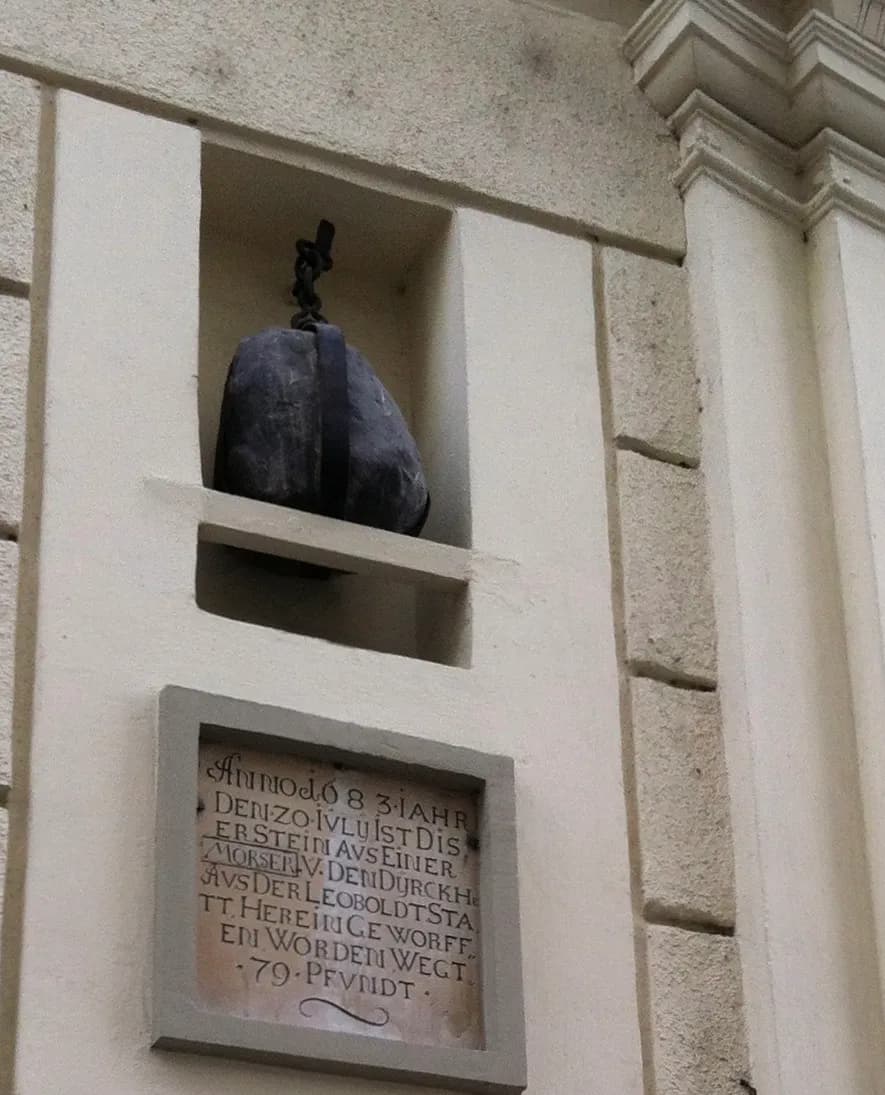
Every day of delay cost the attacker far more than the defender.
The siege clock
Sixty days, one hourglass
Drag the slider. Every day that passes is a small win for the defender and a large cost for the attacker.
The Battle of the Kahlenberg
In the afternoon the cavalry comes down from the hills and the Ottoman camp breaks.
The war council
You are Kara Mustafa
Five decisions he actually made. Make each one yourself and see what it costs you. Then see what history did.
You are the Grand Vizier. Your army is before Vienna, and you know a relief army is coming.
Decision 1 of 5
Bring the heavy siege guns, or travel light?
Why they held
Scarcity forced the defenders to focus
Five reasons a small garrison held for sixty days against an army several times its size. Tap each one.
A simple goal
The defender did not have to win, only to buy time. The attacker had to win. That asymmetry of goals changes everything.
The interior-lines race
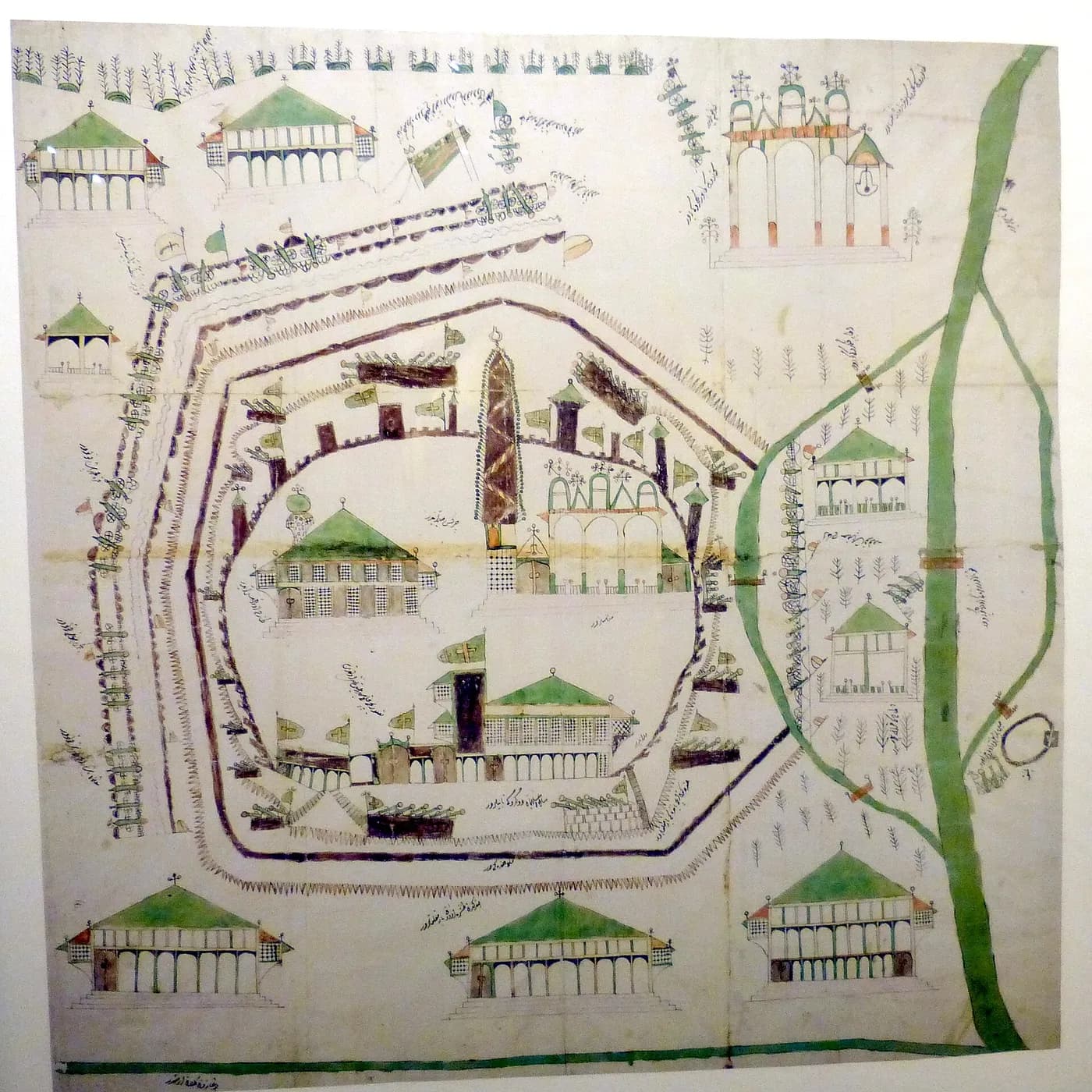
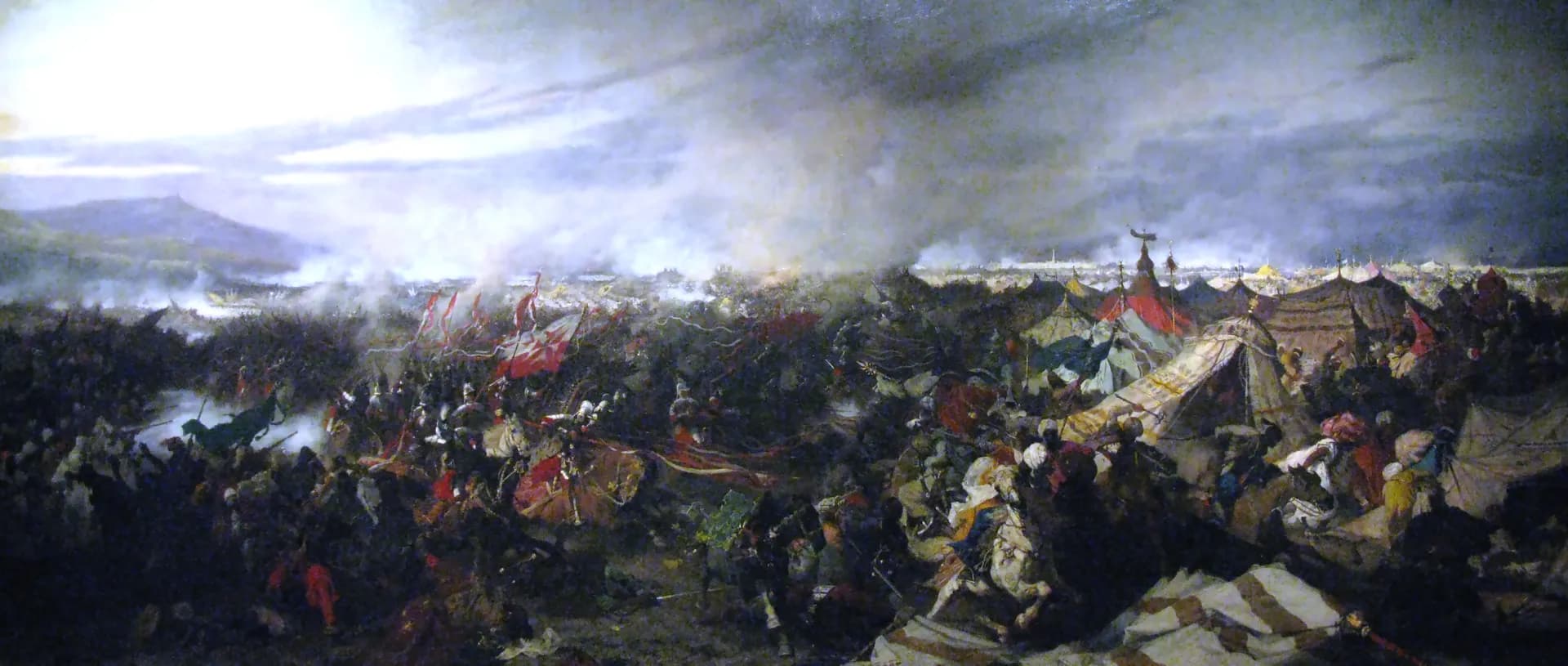
12 September
The charge from the Kahlenberg
Scroll down and follow the charge.

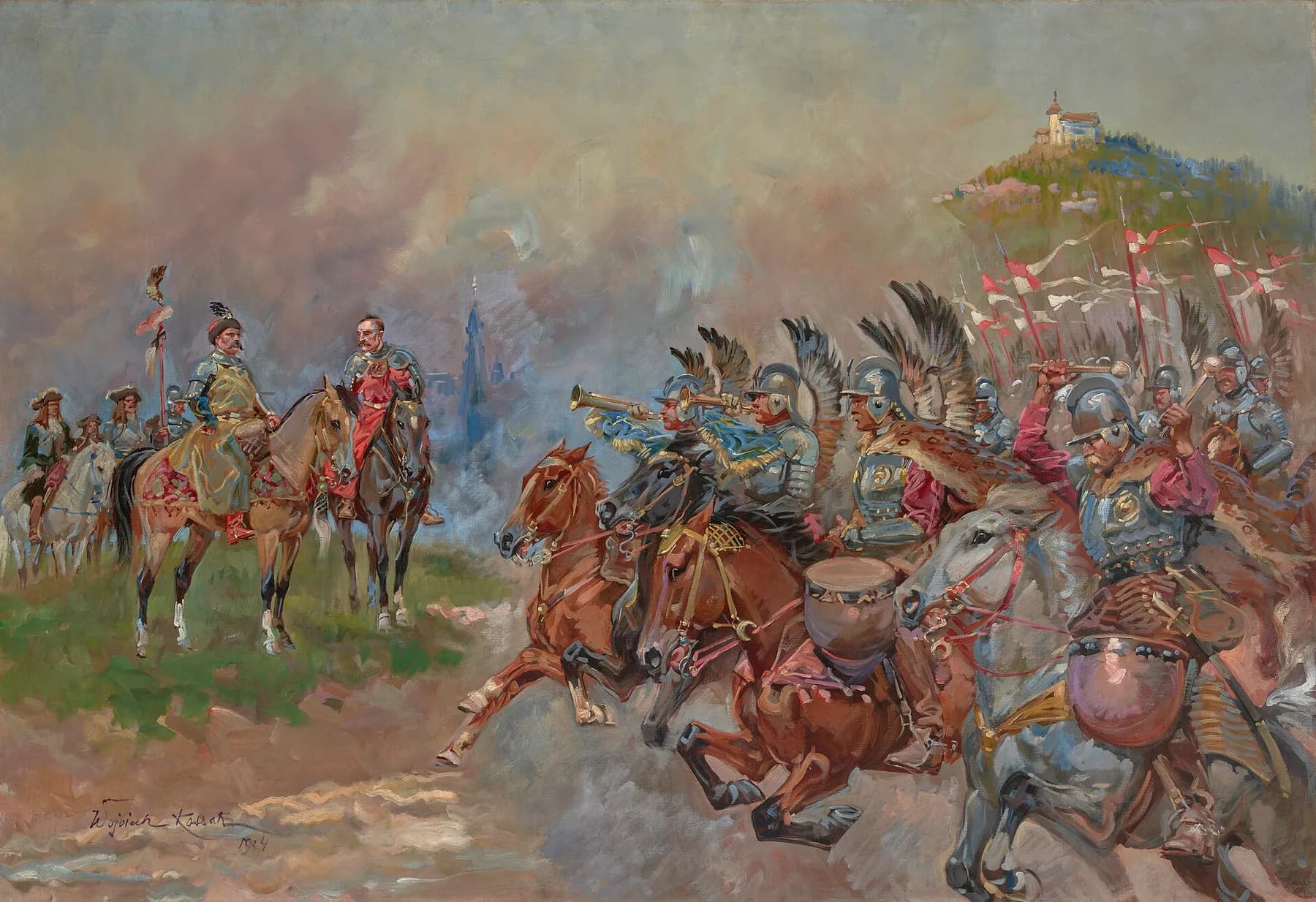
- MorningThe relief army comes down from the heights of the Vienna Woods. On the left, Imperial troops under Charles of Lorraine engage first.
- MiddayThe Ottomans are caught between two fires: behind them a city that has not fallen, in front of them an army coming from above.
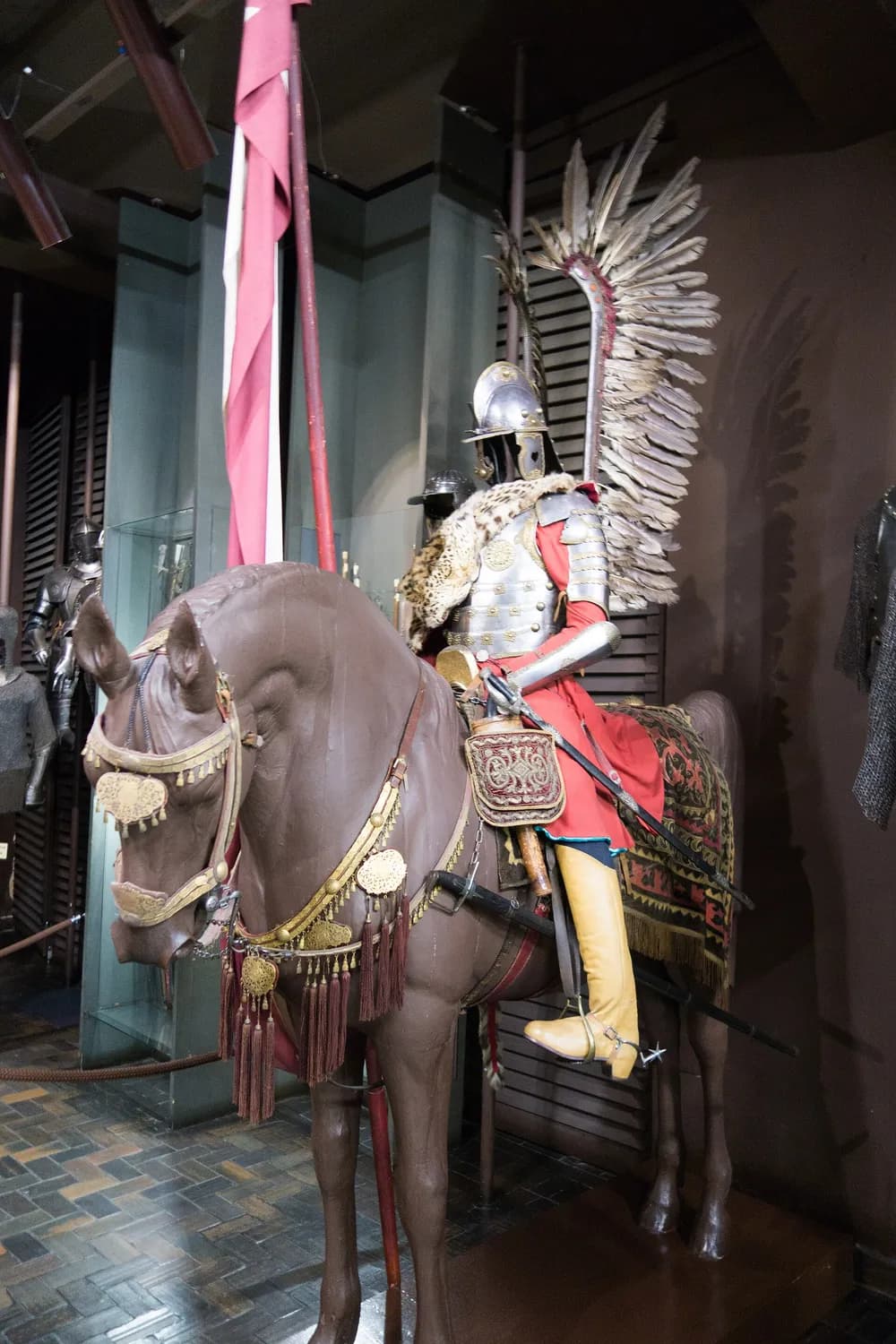
- AfternoonAbout 18,000–20,000 horsemen, with some 3,000 Polish winged hussars at the centre, ride down from the hills.
- EveningThe Ottoman camp breaks. The Grand Vizier's tent falls to the attackers and the siege is over.
- It is often called one of the largest cavalry charges in history. "The largest" is a popular claim that cannot be proven.
It is often called one of the largest cavalry charges in history. "The largest" is a popular claim that cannot be proven.
A critical view
Four stories to tell with care
Flip each card to see what historians say.
The business transfer
This is the startup-versus-incumbent story
The big company has money and people, but its focus is spread across ten goals. The small startup has one goal, one market, one advantage.
The mirror
Are you Starhemberg or Kara Mustafa?
Four questions about your own working week. The answers stay in your browser.
Kara Mustafa
Your resources (time, money, attention) are spread across many projects. By this principle you probably reach the decisive point in none of them.
A simple test: if less than half of your weekly hours go to one main project, it is worth a second thought.
Nothing is stored or sent.
In one sentence
“Victory does not go to whoever has more resources; it goes to whoever concentrates scarce resources at the decisive point, at the right time.”
Abundance made Kara Mustafa careless. Scarcity made the defenders precise.
Method and sources
How this report was made
- The analysis began with a line I heard in a strategic-thinking class. Before publishing, every number and date was checked against historical sources and several famous figures were corrected, above all the 300,000.
- Forces are given as ranges because historians give ranges. Casualties are estimates too: the garrison lost some 4,000–5,000 soldiers, and the Ottomans about 8,000–15,000 killed and wounded on the day of the battle.
- The war-council game scores this lesson; it does not predict an alternative history.
- Medals are stored in your own browser, and the mirror's answers are not stored anywhere.
Sources
- John Stoye, The Siege of Vienna (1964; rev. Birlinn 2000)
- Andrew Wheatcroft, The Enemy at the Gate: Habsburgs, Ottomans and the Battle for Europe (2008)
- Encyclopaedia Britannica, Siege of Vienna (1683)
- Encyclopaedia Britannica, Treaty of Karlowitz
- John J. Mearsheimer, Assessing the Conventional Balance: The 3:1 Rule and Its Critics, International Security 13(4), 1989
- Austria-Forum, Kaffeehaus (Johannes Diodato, 1685)
- Baki Tezcan, The Second Ottoman Empire (Cambridge University Press, 2010)