Why Strategists Should Embrace the Updated 7-S Framework
The classic 7-S framework has evolved, adding five new elements to better reflect today's business realities. Discover why this matters for strategists and how to leverage these changes.
·4 min read·539 views·Intermediate
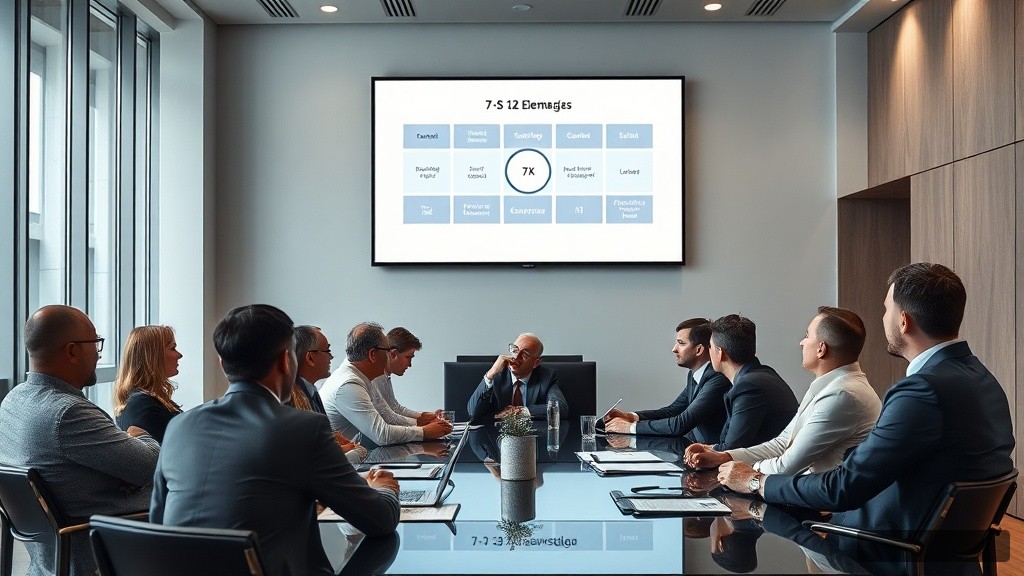
The business landscape of 2025 is a far cry from what it was in the 1970s when the original 7-S framework was developed by McKinsey. Strategists today must adapt to an updated framework that expands from seven to twelve elements, reflecting the complexities of modern organizational dynamics.
The Essence of the 7-S Framework
The original 7-S model focused on seven elements that needed alignment for organizational effectiveness: strategy, structure, systems, shared values, style, staff, and skills. While three were 'hard' elements easily manipulated by management—strategy, structure, and systems—four were 'soft' elements, more resistant to direct change. The genius of this framework lay in its simplicity and holistic approach; organizations were encouraged to ensure these elements supported rather than conflicted with one another.
Why Update the 7-S Framework?
The business world has transformed dramatically since the 1970s. Today's organizations operate within complex ecosystems, influenced by rapid technological advancements and shifting talent dynamics. Recognizing these changes, the updated framework now includes twelve elements:
Purpose (replacing shared values)
Value Agenda (replacing strategy)
Leadership
Governance
Processes
Technology
Behaviors
Rewards
Ecosystem
These additions allow for a more nuanced understanding of how organizations function in today's interconnected world.
The Strategic Importance of the Updated Model
Understanding the updated 7-S framework is crucial for strategists for several reasons:
It aligns strategy with operational changes, as seen in Microsoft's transformation under Satya Nadella, where restructuring the organizational model was a pivotal part of the strategic overhaul.
It highlights the necessity of organizational change alongside strategic shifts, ensuring the system doesn't produce the same results repeatedly.
It places strategy functions within the broader context of operating models, emphasizing the importance of understanding organizational mechanics.
Implementing the Updated Framework
Adopting the new 7-S model involves adhering to three core principles:
Start with value creation: Understand how your organization creates value before altering any elements. This approach ensures that strategy drives organizational changes, not the other way around.
Think in options: Consider a spectrum of change options, from minor adjustments to major transformations. This flexibility is informed by recognizing unique organizational 'fingerprints' across the new framework’s elements.
Follow the new rules: Align leaders on strategy, rewire workflows, invest in people, and build a lasting performance culture. These evolved 'golden rules' are based on recent research into successful operating model changes.
Why Seven Becomes Twelve: A Historical Perspective
"The only constant in life is change." - Heraclitus
Throughout history, frameworks often evolve from seven to twelve elements for greater precision and utility. This pattern is evident in music and art, where such expansions led to more versatile and functional systems. The 7-S framework's evolution mirrors this historical trend, offering more comprehensive insights for strategists.
Key Takeaways
The updated 7-S framework offers a more accurate reflection of modern organizational needs.
Strategists must integrate these changes to drive effective organizational transformation.
Understanding these elements helps strategists align strategic goals with operational realities.
Frequently Asked Questions
What are the main changes in the updated 7-S framework?
The framework now includes twelve elements, adding leadership, governance, processes, technology, behaviors, rewards, and ecosystem, while refining existing ones such as purpose and value agenda.
How does this update affect strategic planning?
Strategic planning now requires a deeper understanding of operational models, ensuring strategy aligns with organizational changes and ecosystems.
Can the updated framework apply to startups?
Yes, startups can leverage the updated framework to ensure all elements are aligned, facilitating growth and adaptability in dynamic markets.
How should strategists begin implementing the updated model?
Strategists should start by understanding their organization's value creation process, exploring options for change, and following the evolved 'golden rules' for successful implementation.
If this resonated — or if you violently disagreed — I'd like to hear from you. I work with a small number of founding teams each quarter. If you're building something real, book a discovery call or connect with me on LinkedIn.
Let's Collaborate
Ready to build something real?
I work with a small number of founding teams each quarter to launch products, mentor engineers, and integrate custom AI systems. Let's determine if we are a fit.
Direct & selective advisory • Limited slots available