The Hidden Skill Every Smart Entrepreneur Needs Before Seeking Venture Capital
Founders often think it's about the idea. But investors fall in trust with the founder, not the pitch. Here's how to build that trust before you need funding.
·4 min read·429 views·Beginner-friendly
Introduction: The Real Game of Fundraising
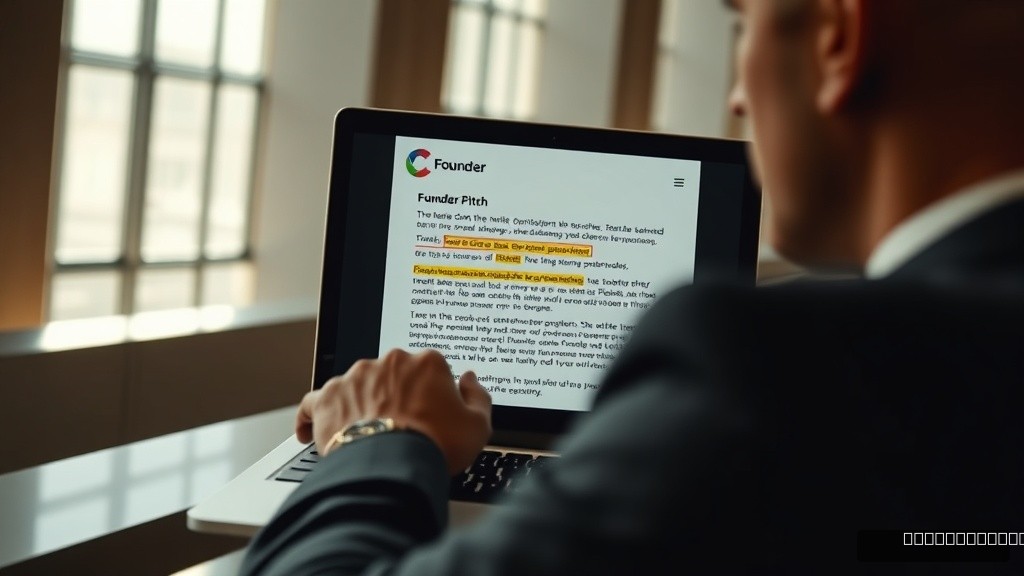
Every conference season, inboxes flood with founder pitches. Most remain unanswered, not due to bad ideas, but because they seek money before building trust. I've seen this movie before. A founder locks themselves away, perfecting slides, aligning teams, and rehearsing narratives, only to send out a polished pitch that lands in oblivion. It's a classic case of starting at the wrong end of the funnel.
Investors don't back ideas; they back people they trust. The first touchpoint isn't about dazzling them with data but demonstrating awareness of process and relationship-building skills.
What Founders Misunderstand About Venture Capital
Most founders believe venture capital is about the idea. The reality is, investors don't fall in love with a prototype. They fall in trust with the founder. Founders often overwhelm investors with lengthy emails and exhaustive decks, mistaking quantity for quality. Here's the unglamorous truth: It's not about the information dump but the ability to build a connection.
"Investors are human. Fundraising isn't about dumping data; it's about reading rhythm." — Farjad
The Cold VC-Outreach Trap
Founders believe their email will stand out, but most get lost in the noise. The secret? KISS — Keep It Short and Simple. A concise message respects their time and stands out among the clutter. According to my experience working with 25+ startups, adopting brevity can significantly increase response rates.
Approach
Outcome
Lengthy, detailed emails
Overwhelm and ignore
Concise, targeted messages
Increased engagement
The Five-Sentence Formula
Your pitch email should be succinct, showing clarity and respect for the investor’s time. Here's a formula:
Subject: Potential alignment with your [Sector] investment thesis
Introduce yourself and the alignment with their focus.
Brief description of your company and its unique impact.
State your upcoming funding round and vision.
Invite them for a discussion, not an immediate investment.
Treating Meetings as Collaborative Dialogues
Many founders treat the first meeting as a lecture. Instead, approach it as a discovery conversation. Ask investors what they want from the meeting. This question reframes the interaction, showing you value their perspective.
Start with: "How do you want to use this meeting?" This transforms the pitch into a collaborative effort, aligning your narrative with their interests.
Misunderstanding What Investors Evaluate
Ideas are free. Execution is what matters. Investors aren't philanthropists; they're looking for returns. They evaluate:
Team Quality
Unfair Advantage
Timing
Scalability
Monopoly Potential
Understand these criteria before pitching, as they determine venture capital readiness.
The Hero’s Turn: From Transactional to Relational
Raising capital isn't a sprint; it's a marathon. Visibility between rounds is crucial. Share updates, milestones, and lessons, making investors feel part of the journey.
"Connection precedes capital. Relationships compound faster than valuations." — Farjad
Connection precedes capital. Relationships are foundational.
Clarity creates confidence. Investors back conviction, not complexity.
Frequently Asked Questions
Why is brevity important in investor outreach?
Brevity shows respect for the investor’s time and highlights your ability to communicate efficiently and effectively.
How can I build trust with investors before seeking funding?
Engage with investors long before you need funding. Attend conferences, ask questions, and build familiarity.
What should I focus on during initial investor meetings?
Focus on understanding the investor’s needs and aligning your vision with their investment thesis.
How do investors evaluate pitches?
Investors evaluate based on team quality, unfair advantage, timing, scalability, and monopoly potential.
If this resonated — or if you violently disagreed — I'd like to hear from you. I work with a small number of founding teams each quarter. If you're building something real, book a discovery call or connect with me on LinkedIn.
Let's Collaborate
Ready to build something real?
I work with a small number of founding teams each quarter to launch products, mentor engineers, and integrate custom AI systems. Let's determine if we are a fit.
Direct & selective advisory • Limited slots available